
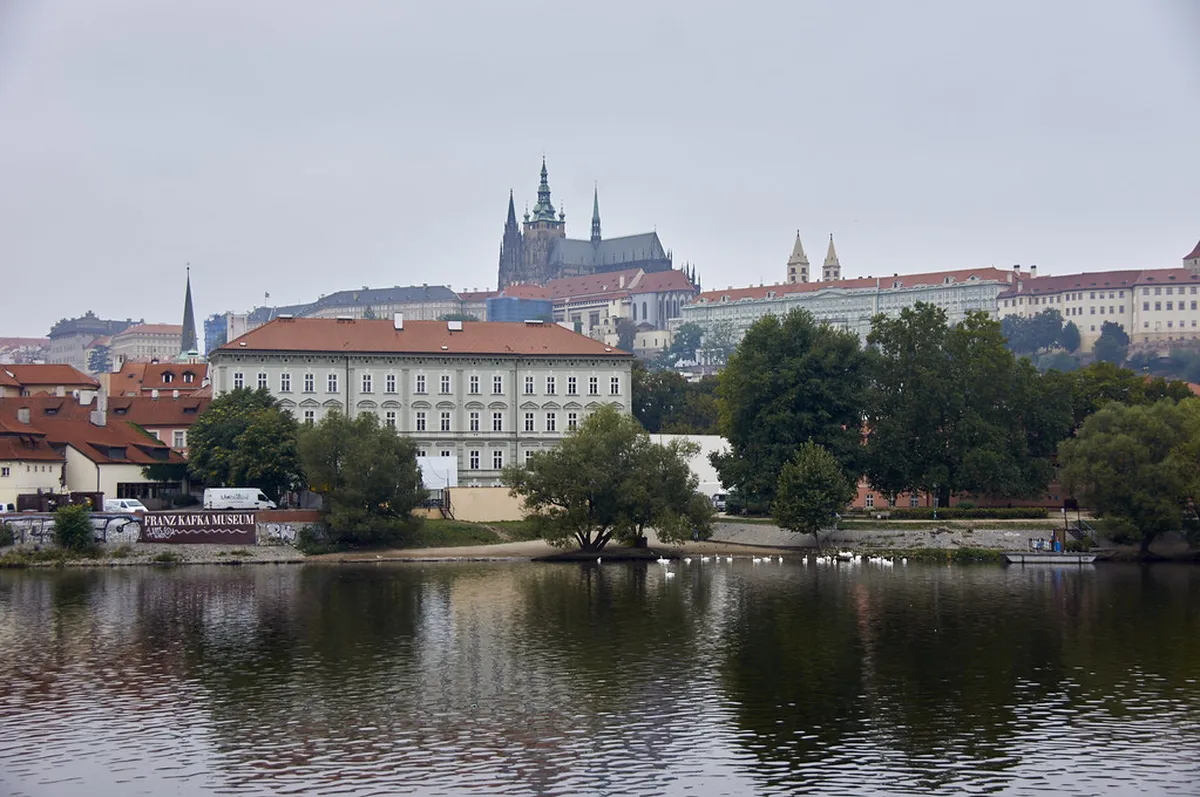
The Best Vltava Riverbank Walking Route in Prague
Prague is a city defined by its water. The Vltava riverbank walking route offers a perfect way to see its soul. This path connects historic landmarks with modern local life. You will see grand bridges and hidden islands. Many of these areas belong to the UNESCO World Heritage site. Walking here is easy and very scenic. This guide provides a full two-day plan for your visit. It is one of the most scenic walks in Prague for any traveler. Get ready to explore the best of the Czech capital on foot.
At a Glance: Your Riverside Itinerary
This itinerary splits the river into two manageable sections. You will explore the northern historic center first. Then, you will head south to see where locals spend their time. Both days involve about 4 to 6 kilometers of walking. The paths are mostly flat and paved with stone. You can easily adjust the pace to suit your needs.
Highlights of the Route:
- Day 1: Charles Bridge, Kampa Island, and the Mánes Bridge area.
- Day 2: Naplavka Embankment, the Dancing House, and Vysehrad Fortress.
- Best Base: Stay in Old Town (Staré Město) or Malá Strana for easy access.
- Transport: Use the yellow or green metro lines to reach starting points.
Prague is very walkable in 2026. Most riverfront paths have been updated recently. You will find plenty of benches and water stations. Keep a map handy, but the river is your best guide. Just follow the water to find your way back.
Day 1: Historic Bridges and Island Escapes
Morning (09:00 – 12:00): Start your day early to beat the crowds. Begin with a Charles Bridge sunrise walk for the best light. This bridge is the crown jewel of the Vltava riverbank walking route. After crossing, head down the stairs to Kampa Island. This island feels like a quiet village in the city. Enjoy a Kampa Island scenic stroll past the famous giant crawling babies statues. Visit the Kampa Museum for modern art if you have time. The park here offers great views of the Old Town mills.
Afternoon (13:00 – 16:00): Walk south toward the Legion Bridge (Most Legií). This bridge offers a stunning view of the National Theatre. Cross the bridge to reach the right bank. You will find a small island called Střelecký ostrov in the middle. It is a great place for a quick rest. Continue walking north along the Smetanovo Embankment. You can find more details about this area on the official city tourism portal. This stretch has some of the best views of Prague Castle.
Evening (17:00 – 20:00): Finish your walk near the Rudolfinum concert hall. The area around Jan Palach Square is very elegant. Watch the sunset from the Dvořák Embankment. Many small boats dock here for evening cruises. You can find many cozy restaurants in the nearby Jewish Quarter. This area is perfect for a slow dinner after a long walk. Logistics tip: The Staroměstská metro station is very close for your trip home.
Day 2: Modern Culture and Ancient Fortresses
Morning (09:00 – 12:00): Start your second day at the Jiráskův Bridge. This is where you will find the famous Dancing House. Its unique shape is a must-see on any Vltava riverbank walking route. Head south along the Rašín Embankment. If it is Saturday, check out the walking the Naplavka riverbank farmers market guide for local treats. This area is known as Naplavka. It is the most popular riverside spot for locals. You can see swans and feed them near the water's edge.
Afternoon (13:00 – 16:00): Continue walking south toward the Railway Bridge. This iron bridge is a great spot for industrial-style photos. Cross the road and head up the hill to Vysehrad. This ancient fortress sits on a high rock over the river. Follow a Vysehrad fortress walking guide to see the Basilica and the cemetery. The views of the river valley from here are unmatched. You can see the whole city stretching out to the north. It is much quieter than the Prague Castle district.
Evening (17:00 – 20:00): Walk back down to the river level. The southern part of the embankment has several floating bars. These are great for a local beer or lemonade. According to Visit Czechia, the river life is a key part of summer culture. Enjoy the cool breeze as the city lights turn on. Many people sit on the stone walls with their feet dangling. It is a very relaxed way to end your trip. Logistics tip: Take tram 17 or 3 to get back to the city center quickly.
Mapping Your Vltava Riverbank Walking Route
The Vltava river splits Prague into two distinct sides. The right bank is home to the Old Town and the busy Naplavka area. The left bank features the Castle District and Malá Strana. A good Vltava riverbank walking route uses the bridges to see both. You should try to cross at least three different bridges. Each one offers a new perspective on the skyline. The bridges vary in style from Gothic stone to modern steel.
If you want more nature, head north. You can follow the river toward Letna Park scenic views for a higher vantage point. The path there connects to the river via several stairs. In 2026, many of the river tunnels have been turned into cafes or galleries. These "cubes" are built directly into the embankment walls. They are easy to spot because of their large circular glass doors. They provide shelter if it starts to rain during your walk.
The total distance of the main central route is about 8 kilometers. You do not have to do it all at once. The city's tram system runs parallel to the river on both sides. This makes it easy to walk one way and ride back. Most paths are accessible for strollers and wheelchairs. However, some older sections have bumpy cobblestones. Wear shoes with good grip and cushioning for the best experience.
Best Riverside Spots for Food and Drinks
Walking makes everyone hungry. Luckily, the Vltava riverbank walking route is full of food options. For a quick snack, the Naplavka market is best. You can find fresh bread, cheese, and local sausages there. If you prefer a seated meal, look for the best riverside cafes on Vltava embankment Prague. Many of these have outdoor terraces that hang over the water. They are perfect for people-watching during the lunch hour.
Prague is famous for its beer culture. You will find several "beer boats" docked along the banks. These are floating pubs that serve cold Czech lager. They are very popular in the late afternoon. For a more formal experience, try the restaurants near the Charles Bridge. These can be expensive but the views are world-class. Always check if a service charge is included in your bill. Tipping around 10 percent is standard for good service.
In the evening, the vibe changes. Small pop-up bars often appear in the summer months. They serve cocktails and light snacks. You might even find live music playing on a boat. The area near the National Theatre is especially lively. Many students gather here to enjoy the night air. It is a safe and friendly environment for everyone. Just remember that glass bottles are often restricted in certain zones to keep the area clean.
Practical Tips for a 2026 Prague Trip
Planning your walk requires a little bit of preparation. The weather in Prague can change quickly. Even in summer, a light jacket is useful for the evening breeze. The sun can be strong on the open embankments. Wear sunscreen and bring a reusable water bottle. You can find public taps with clean drinking water in many parks. Most public toilets near the river require a small fee in Czech Koruna.
Public transport is very efficient in Prague. You can buy tickets using a contactless credit card on trams and buses. This is very helpful if you get tired during your walk. There are also small river ferries that cross the Vltava. These are part of the public transport system. They offer a fun and cheap way to see the city from the water. Just look for the "P" signs near the docks. Your standard tram ticket is usually valid for these boats.
Crowds can be a challenge at Charles Bridge. Try to visit before 10:00 AM or after 8:00 PM. The southern part of the route is much less crowded. It gives you a more authentic feel of Prague life. Always stay aware of your surroundings in busy areas. Pickpockets can sometimes operate where tourists gather. Keep your bags closed and in front of you. Following these simple steps ensures a smooth and happy trip.
Frequently Asked Questions
What is the best time to walk the Vltava riverbank?
The best time is early morning or late afternoon. Morning offers quiet streets and soft light for photos. Late afternoon provides a lively atmosphere and beautiful sunsets. In 2026, spring and autumn are ideal for comfortable walking temperatures.
Is the Vltava riverbank walking route accessible for everyone?
Yes, most of the route is flat and paved. Some areas have cobblestones which can be bumpy for wheelchairs or strollers. However, modern ramps have been added to many embankment sections recently. Most riverfront cafes also offer accessible seating.
Can I bike along the Vltava river in Prague?
Yes, cycling is very popular along the river. There are dedicated bike lanes on many parts of the embankment. You can rent bikes or electric scooters at several points in the city. Just be careful of pedestrians in the busy central zones.
The Vltava riverbank walking route is a highlight of any Prague visit. It combines history, art, and local culture into one easy path. Whether you want to see the Charles Bridge or a local market, this route has it all. Remember to wear comfortable shoes and bring your camera. You will create memories that last a lifetime in this beautiful city. For more ideas, explore other scenic walks in Prague. Enjoy your journey along the water!
Official resources
Use these sources for official schedules, tickets, routes, and updates.
- Prague.eu — Official city tourism portal; unverified.
- Praha.eu — Official municipal government portal; unverified.
- Visit Czechia — National tourism board; unverified.
- UNESCO World Heritage Centre — Official UNESCO heritage listing; unverified.
- Prague Castle — Official landmark domain; unverified.
- National Museum — Major national museum; unverified.